VENICE, THE WHITE WATER LILY
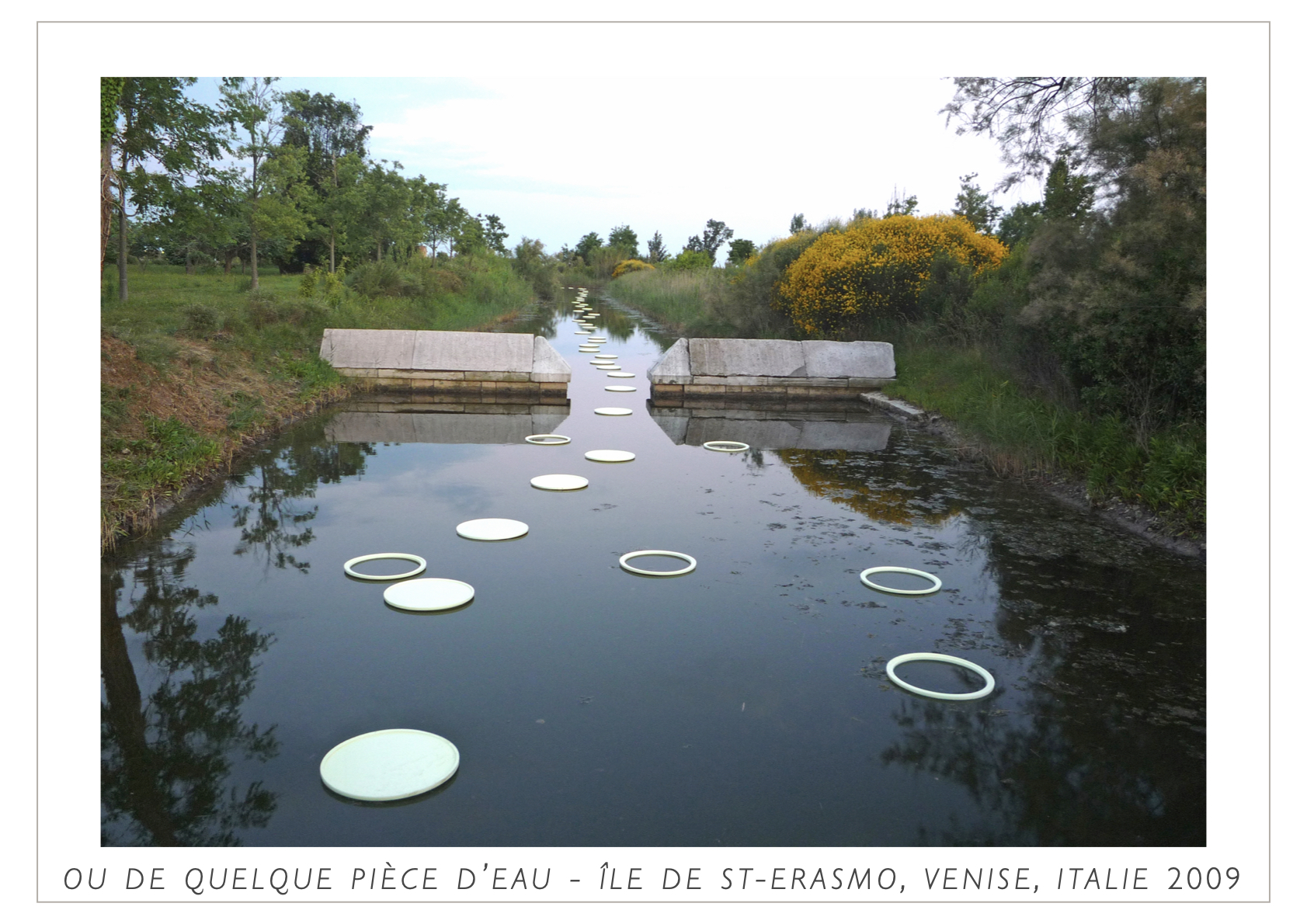
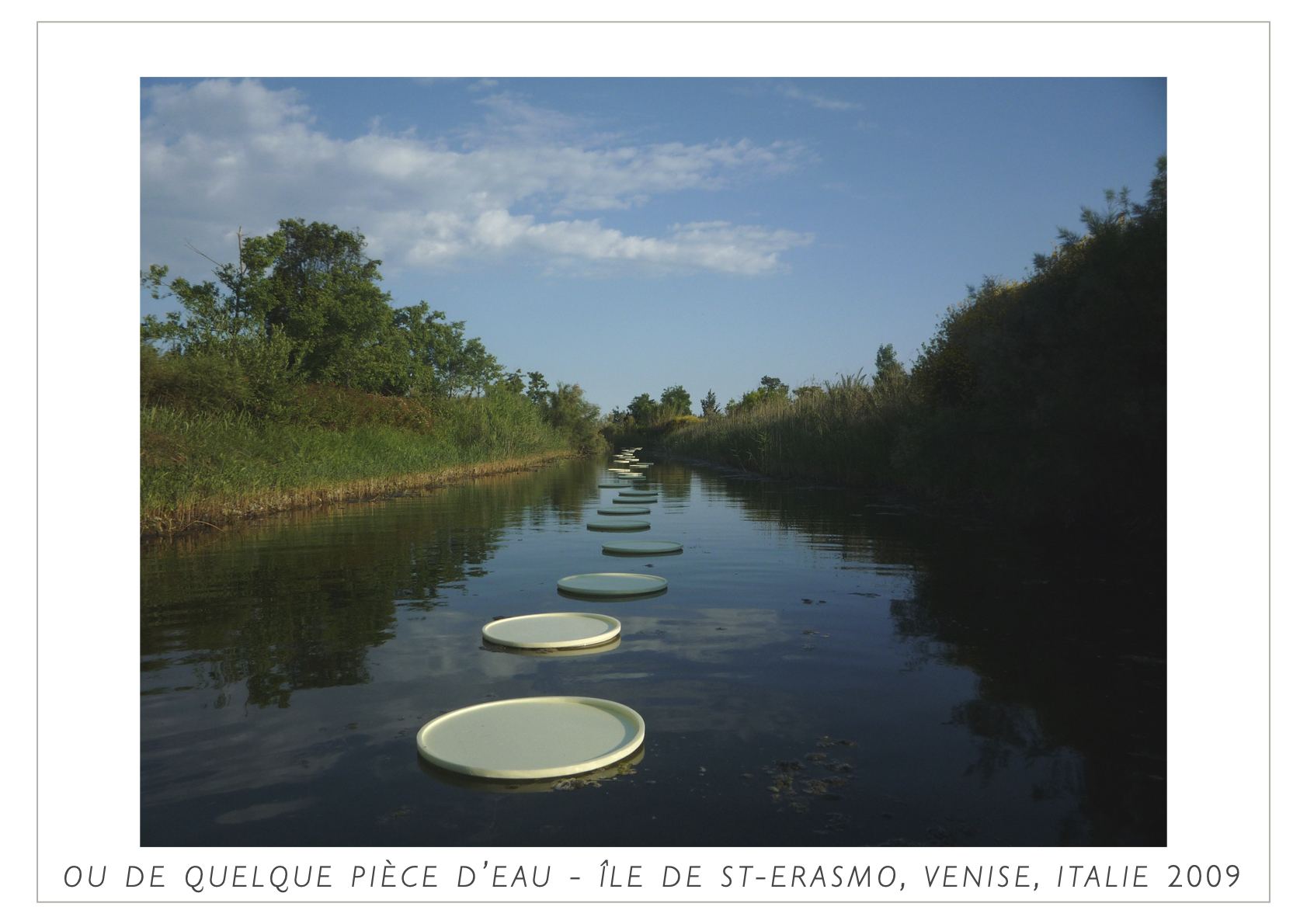
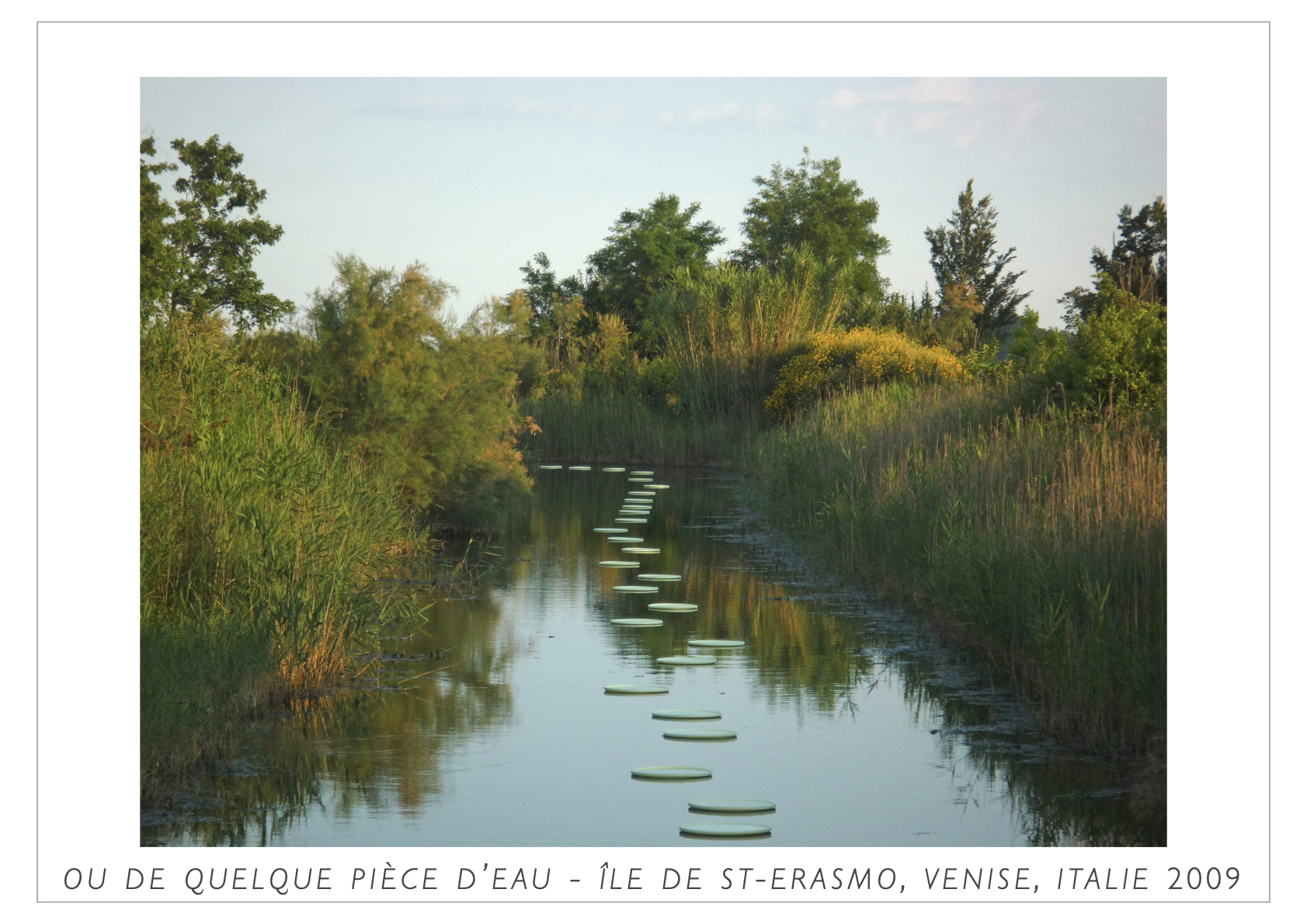
In parallel with the 2009 Venice Biennale of Contemporary Art, I was invited by the Artlife gallery to create an aquatic work on the island of Sant'Erasmo. Mallarmé's poem The White Water Lily came to mind. The result was a floating path composed of discs inscribed in mobile rings with raised edges to form light receptacles. The stonework of the site helped to restore the spatial sense of the still water, allowing it to transition from a state of inertia to one of awakening.
FLIMS, SWITZERLAND, LES SAIGNÉES
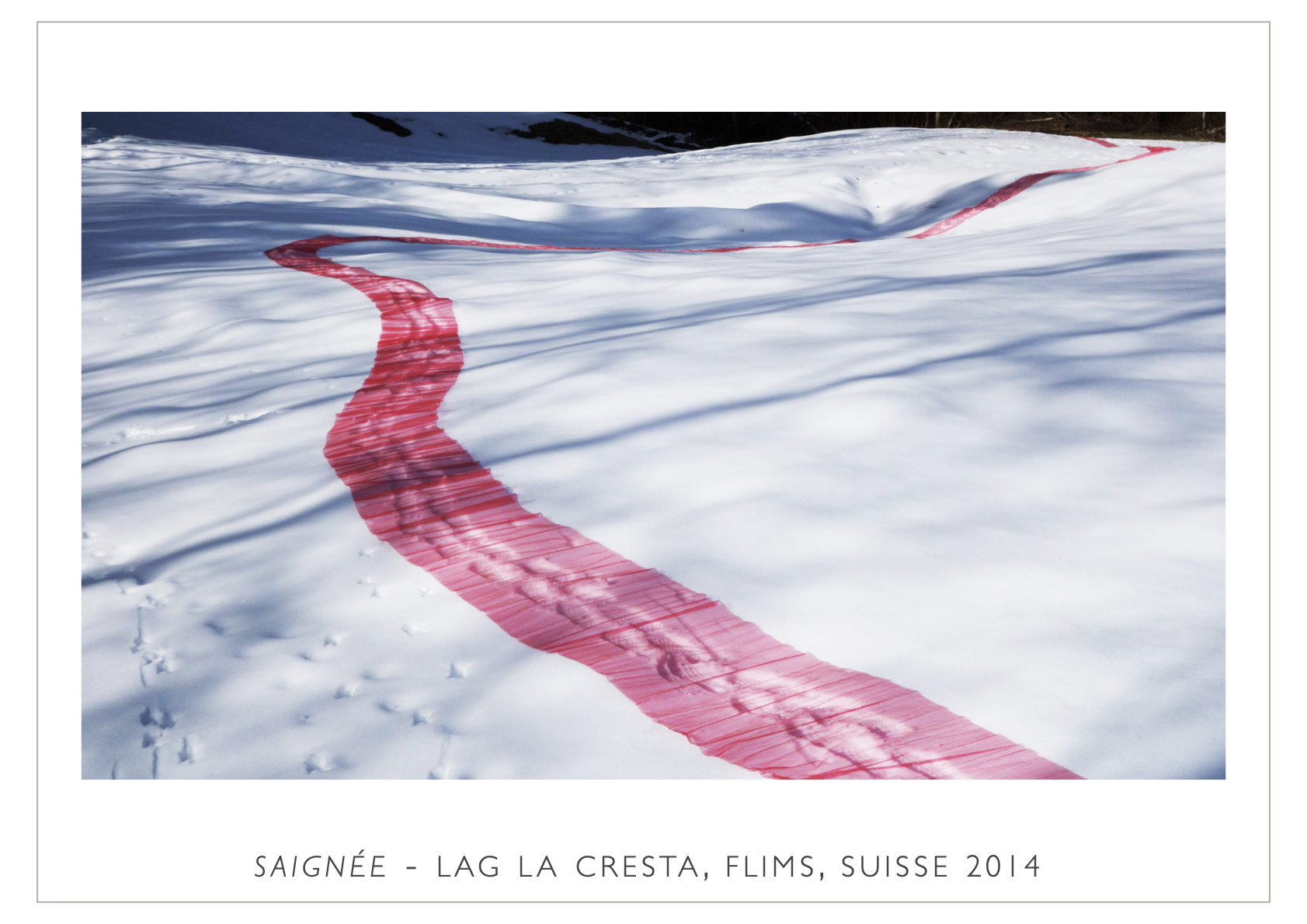
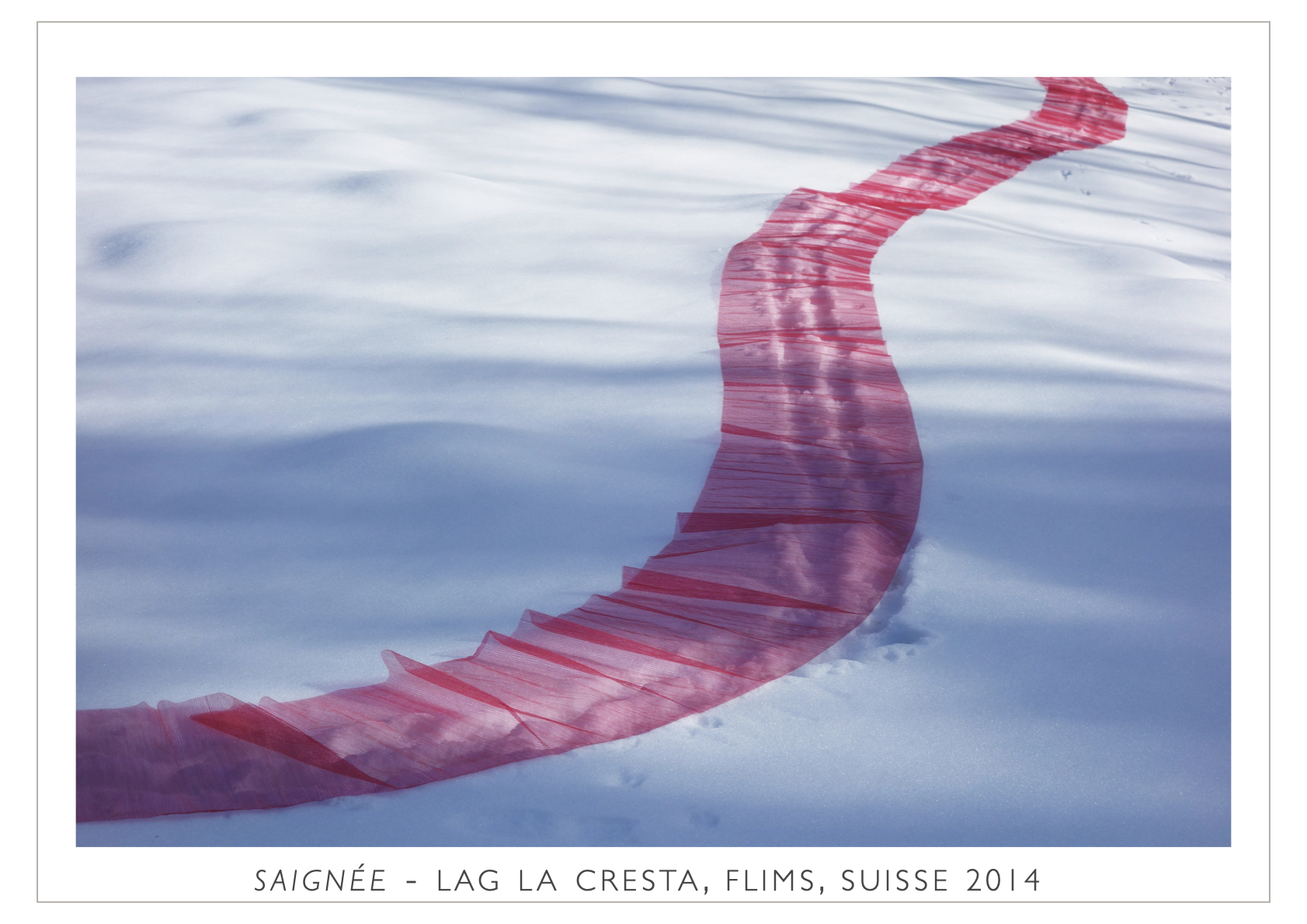
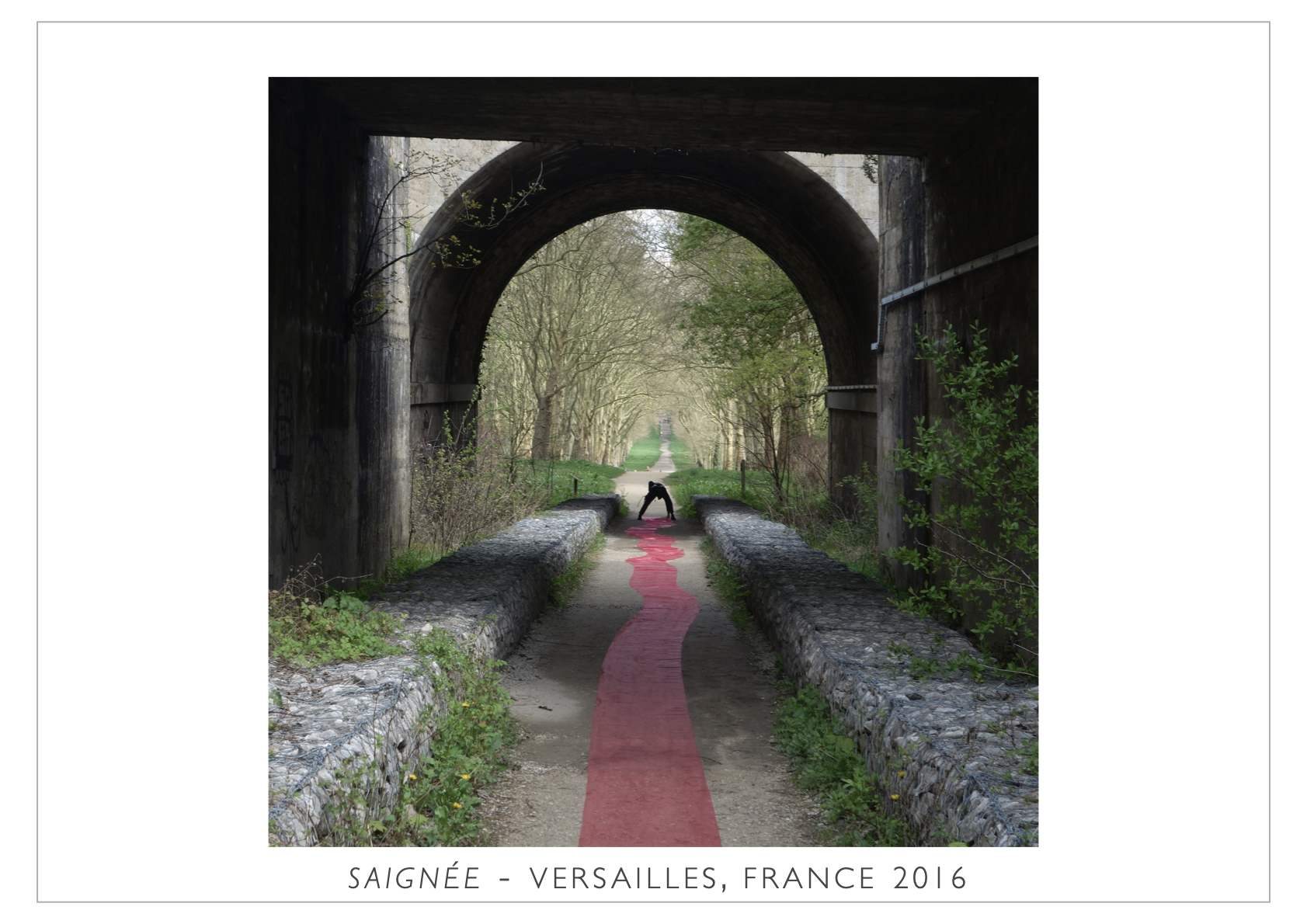
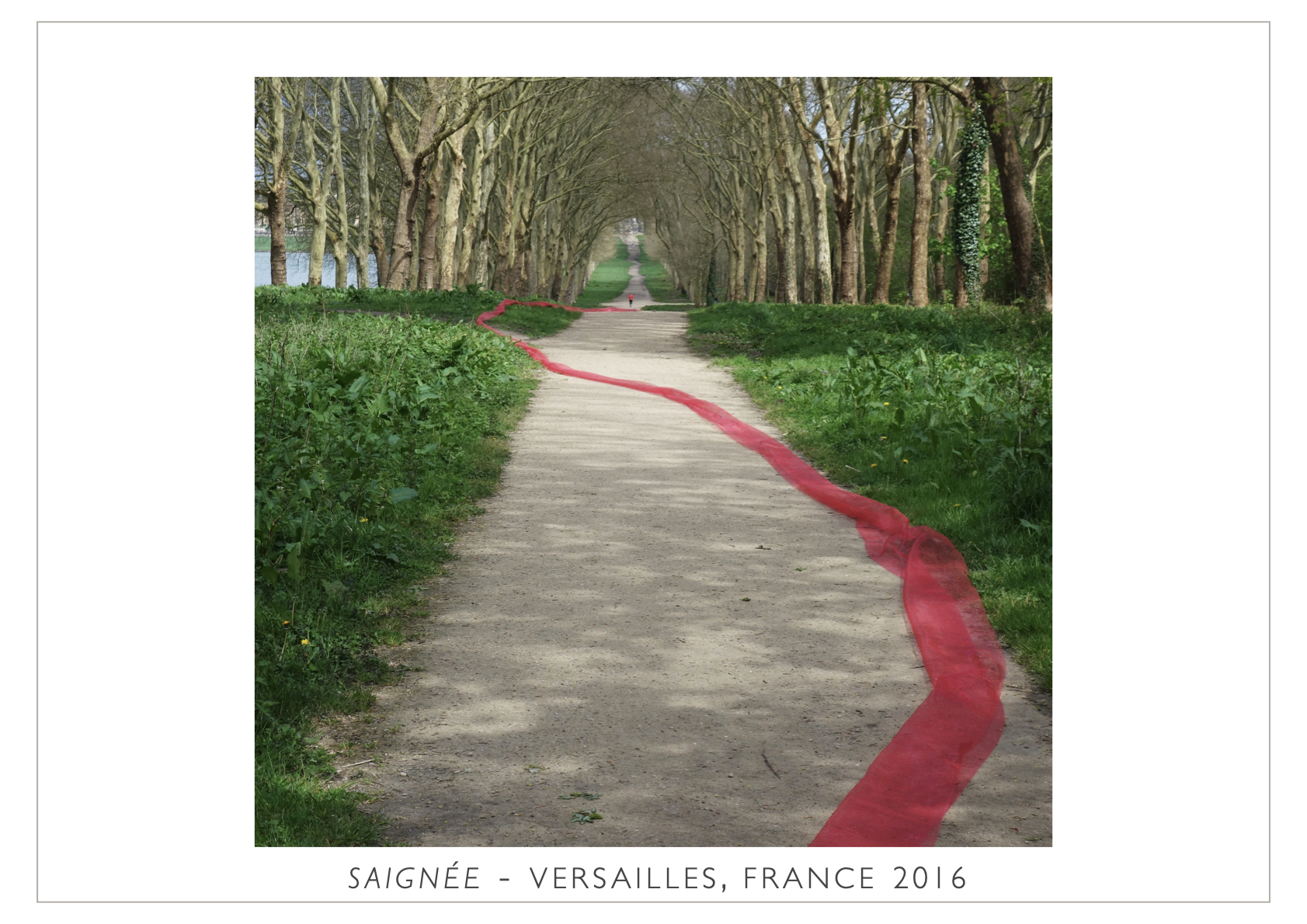
Intervening in nature and disturbing it has always seemed to me to be a form of usurpation. Whatever anyone says, moving a stone or trampling a path cannot be a trivial act. In the case of the red path created in the mountains, from the moment I left my first footprints in the snow, I felt guilty for disturbing the silent harmony of the place. The light, luminous snow was so sensual that when I reached the summit, it felt natural to strip naked. To avoid being seen, I crouched down. As the voices faded away, I looked at the red path behind me and had the strange sensation that my blood was flowing onto the snow.
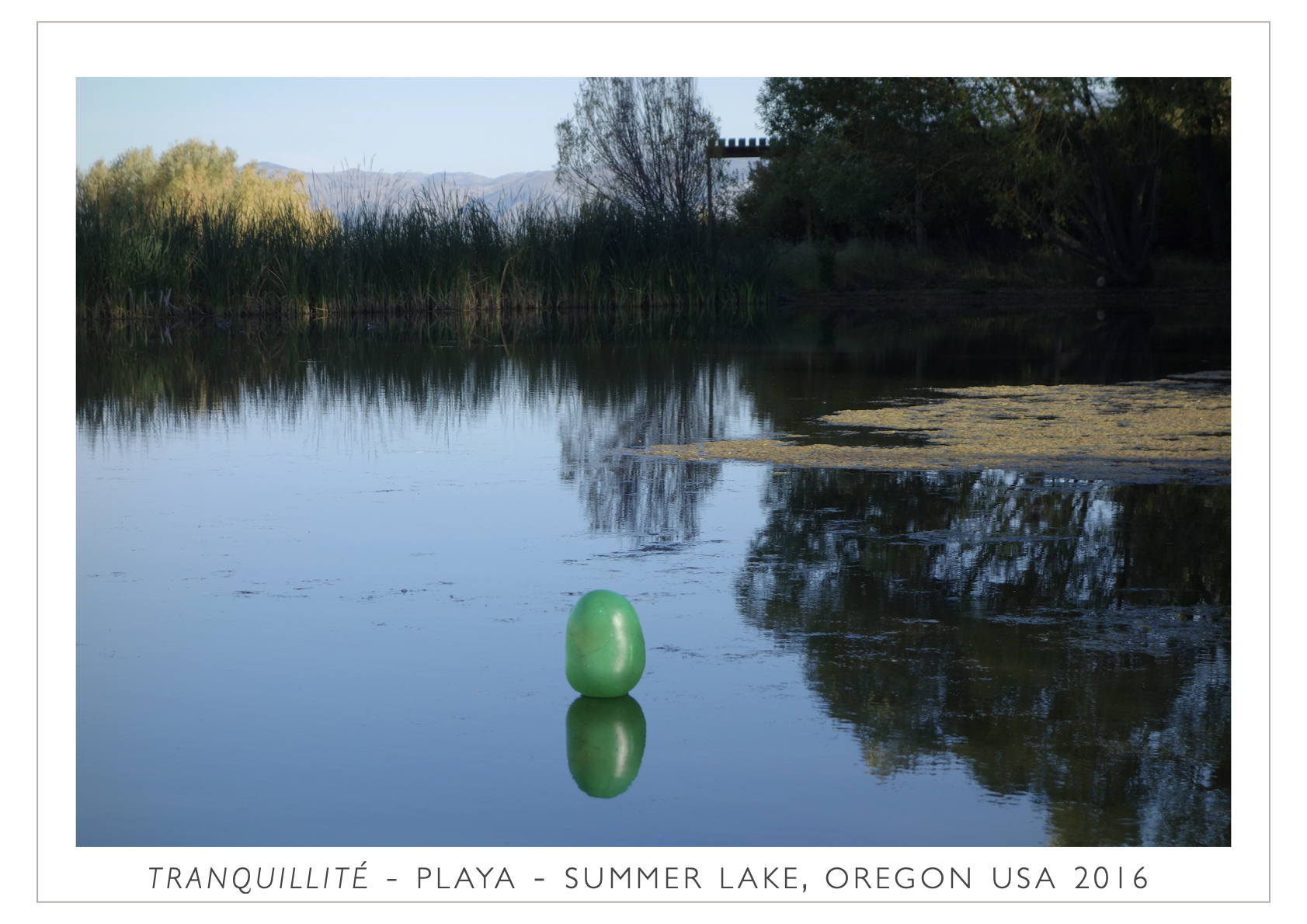
SUMMER LAKE, OREGON, USA. CONSTELLATIONS AND THE GHOST OF A GESTURE
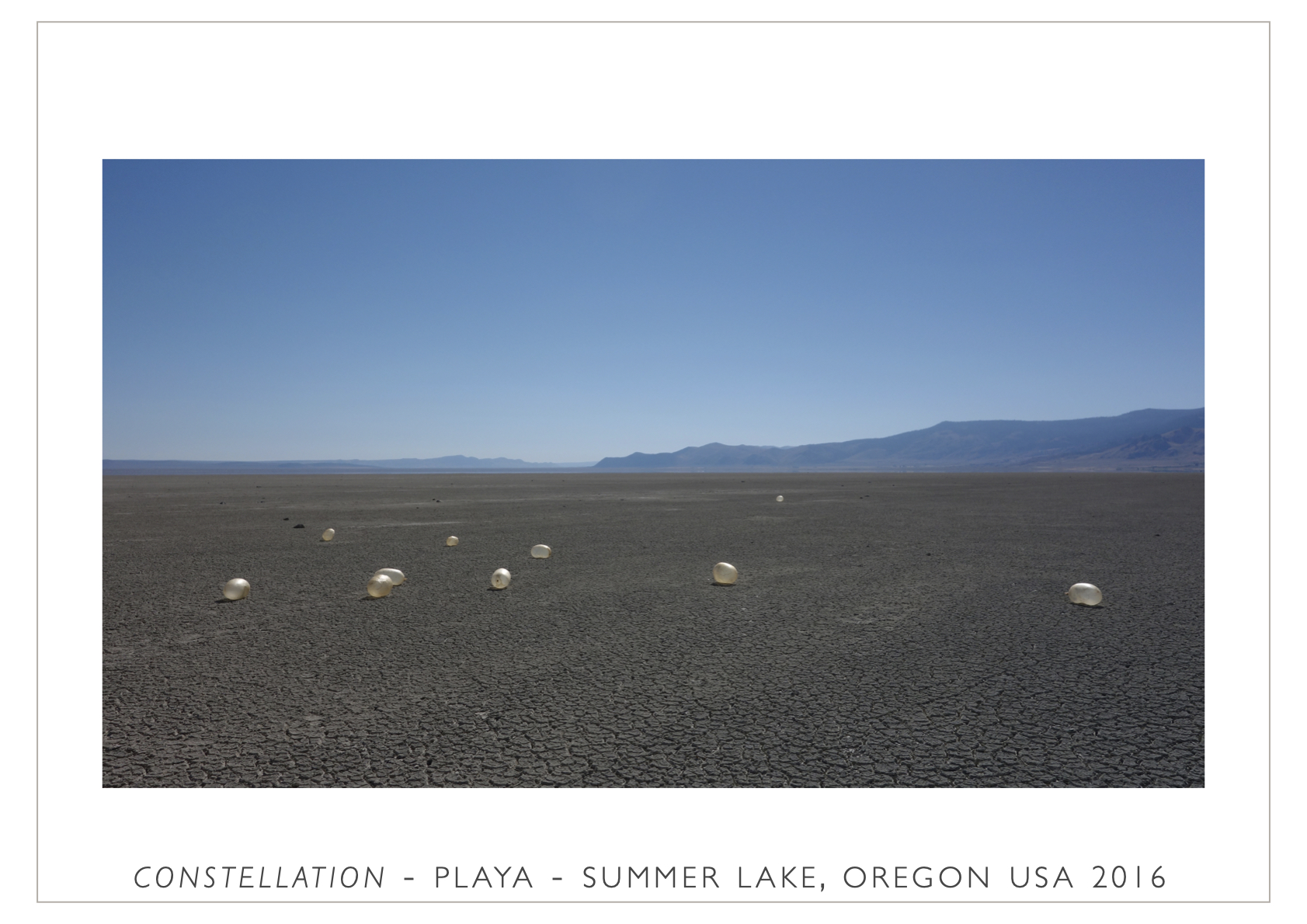
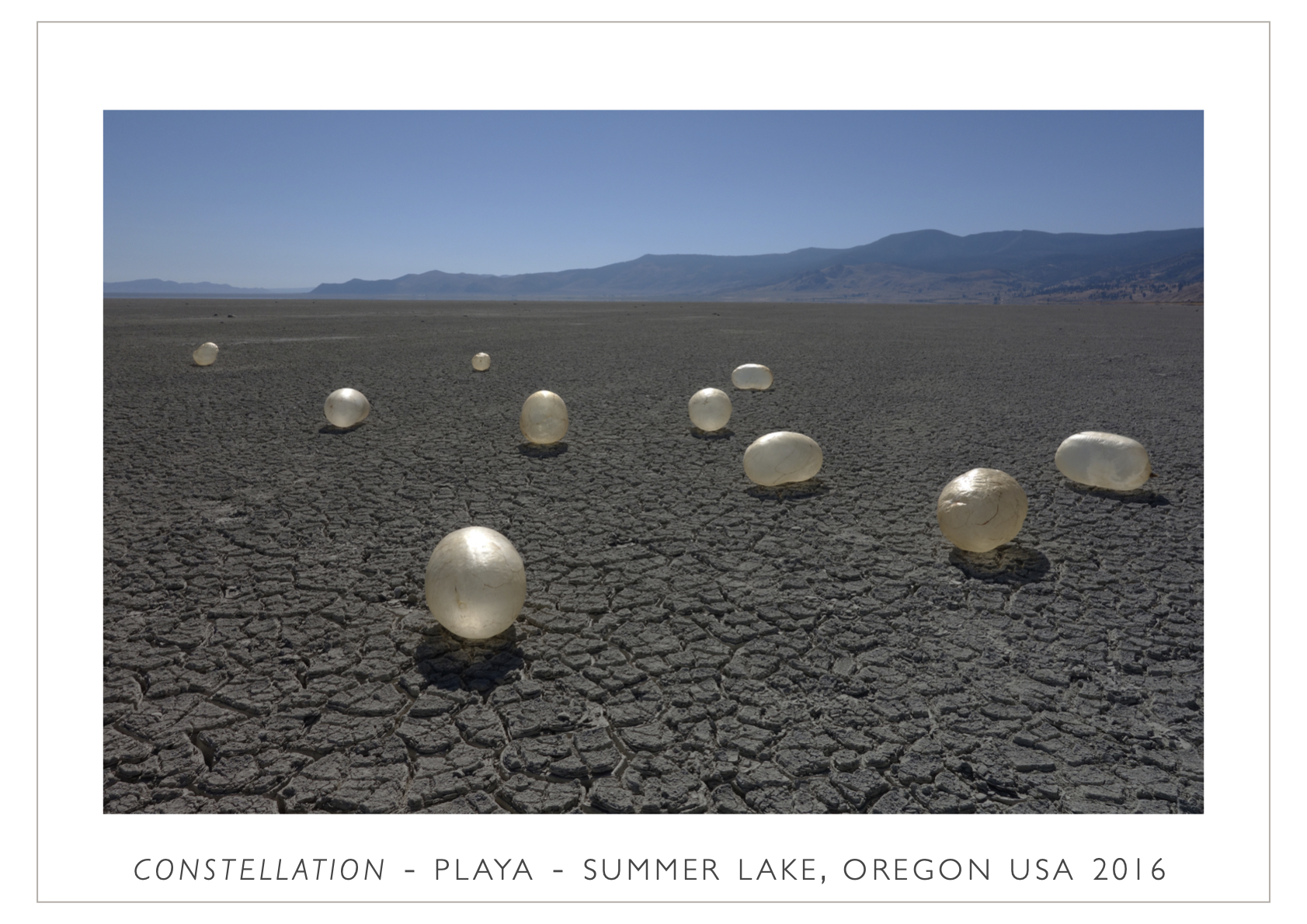
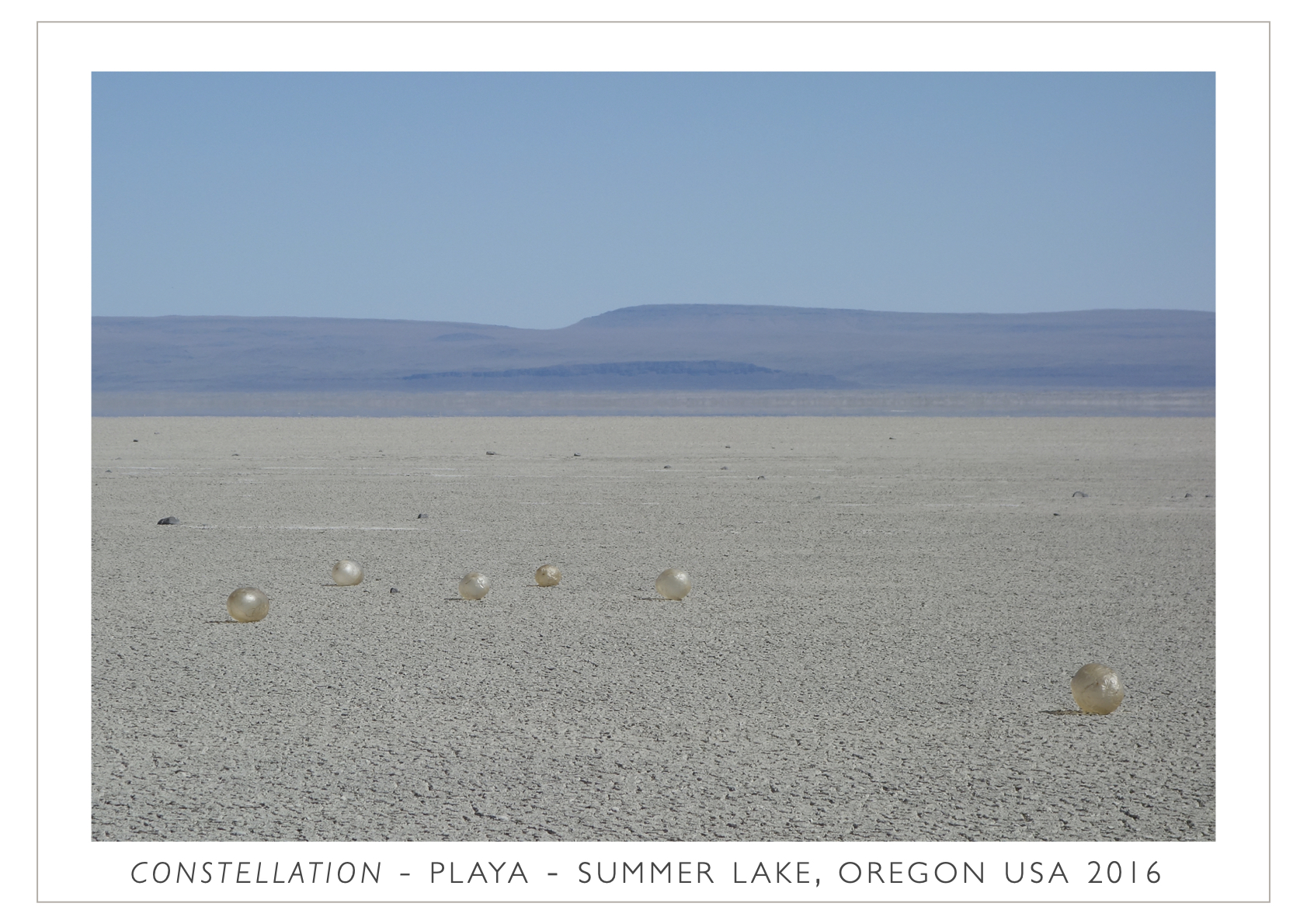
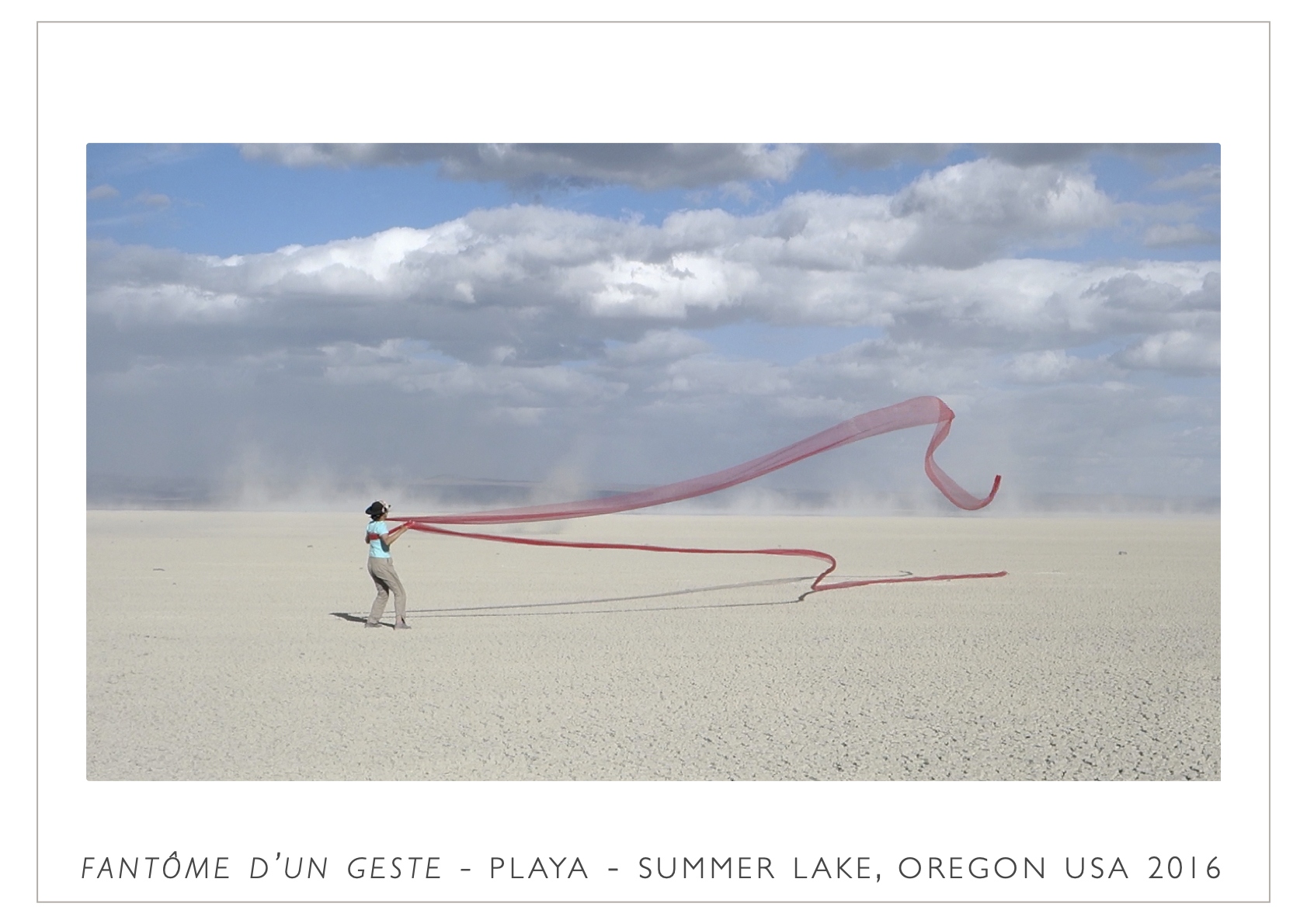
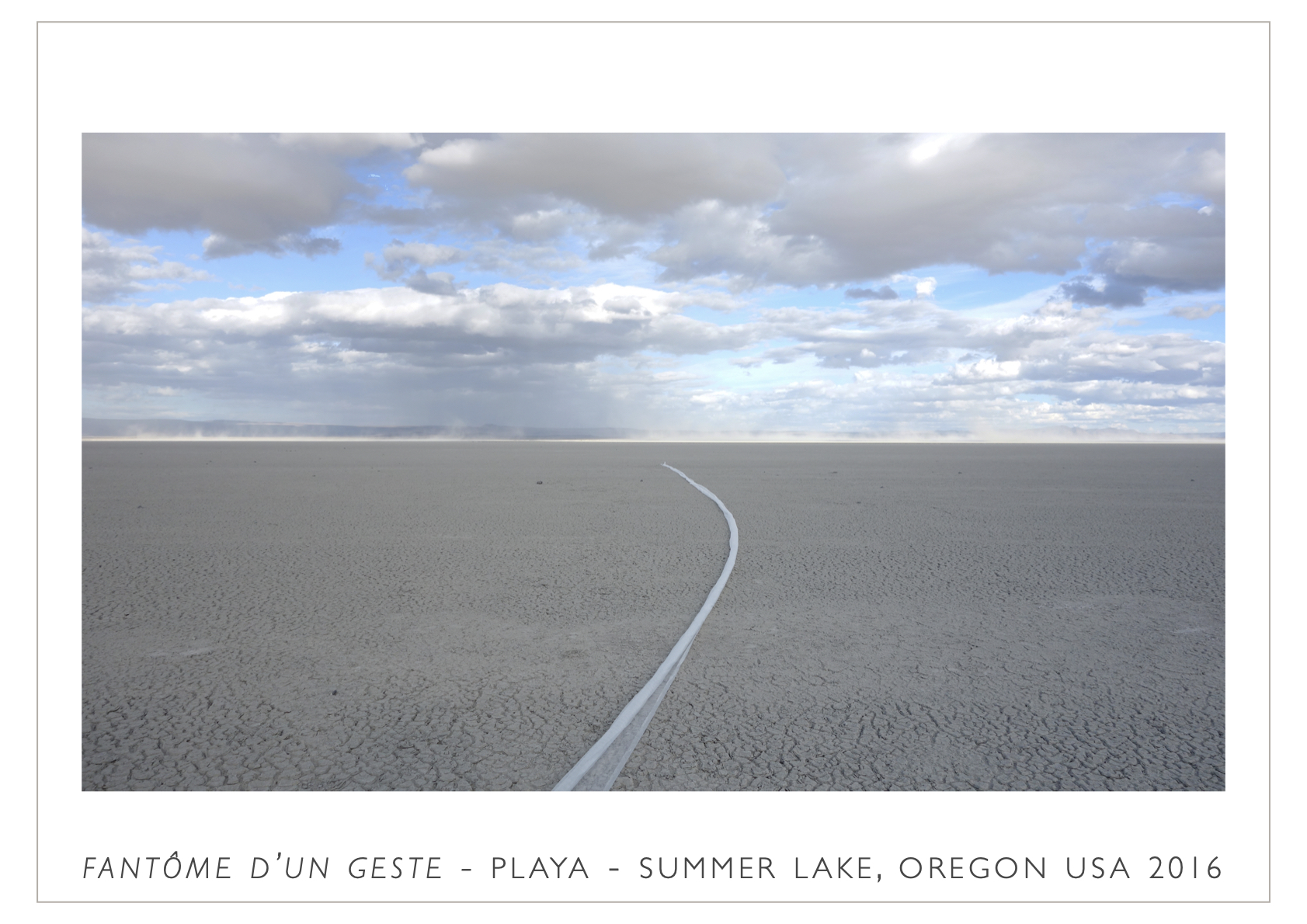
The nudity and silence of the desert were absolute. Not a soul in sight except for the eight artists invited to the Playa Foundation. The flaky sheets of earth mixed with salt cracked underfoot. The installation of inflated ox bladders stretched tight with breath became luminous shapes and volumes in the desert space. The elasticity of their skin and their ivory color contrasted beautifully with the dark surface of the cracked earth. Depending on the wind, the bladders wobbled, hesitated, rolled, or bounced like small domestic animals, and, with a little help from chance, suggested constellation patterns.
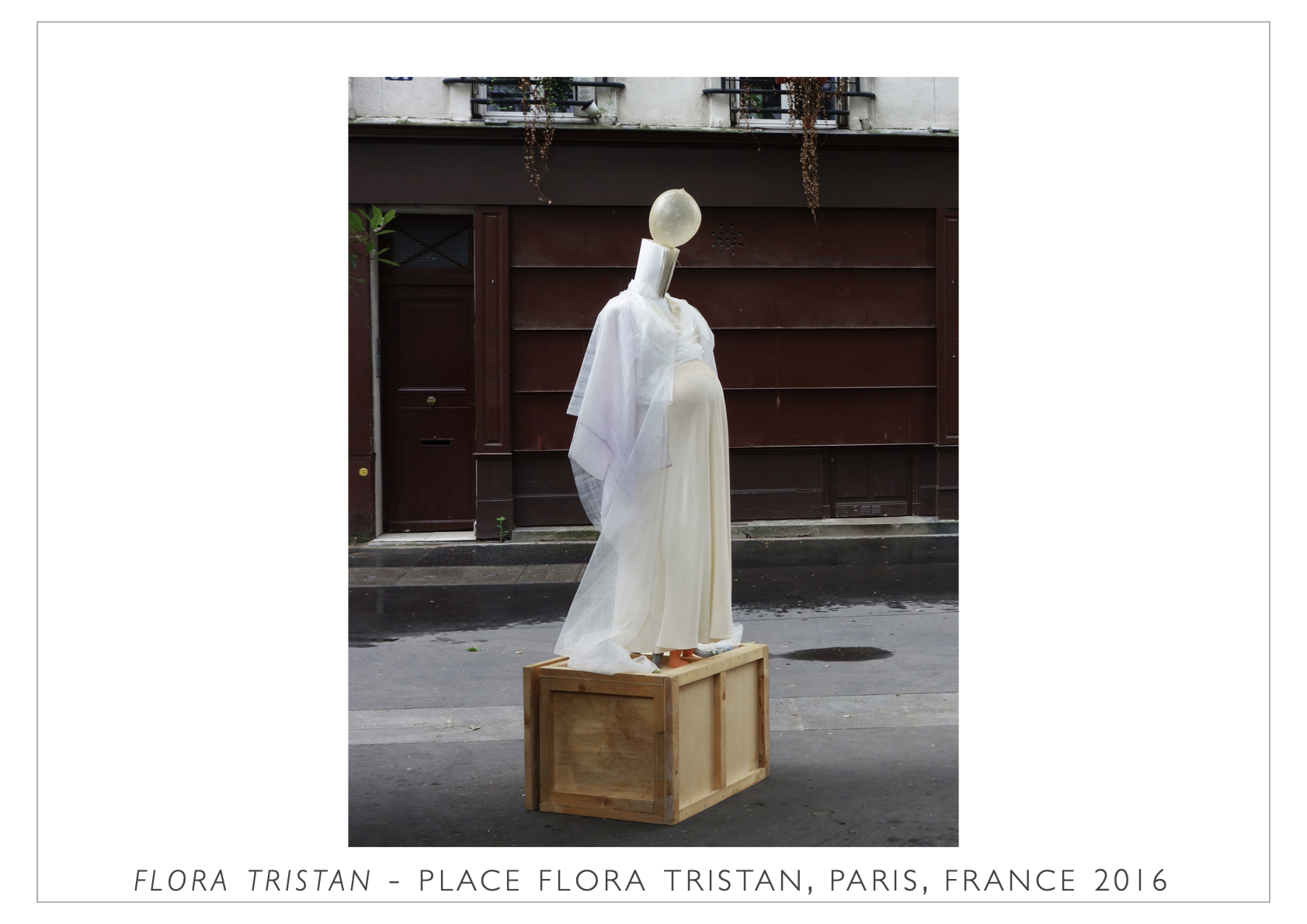
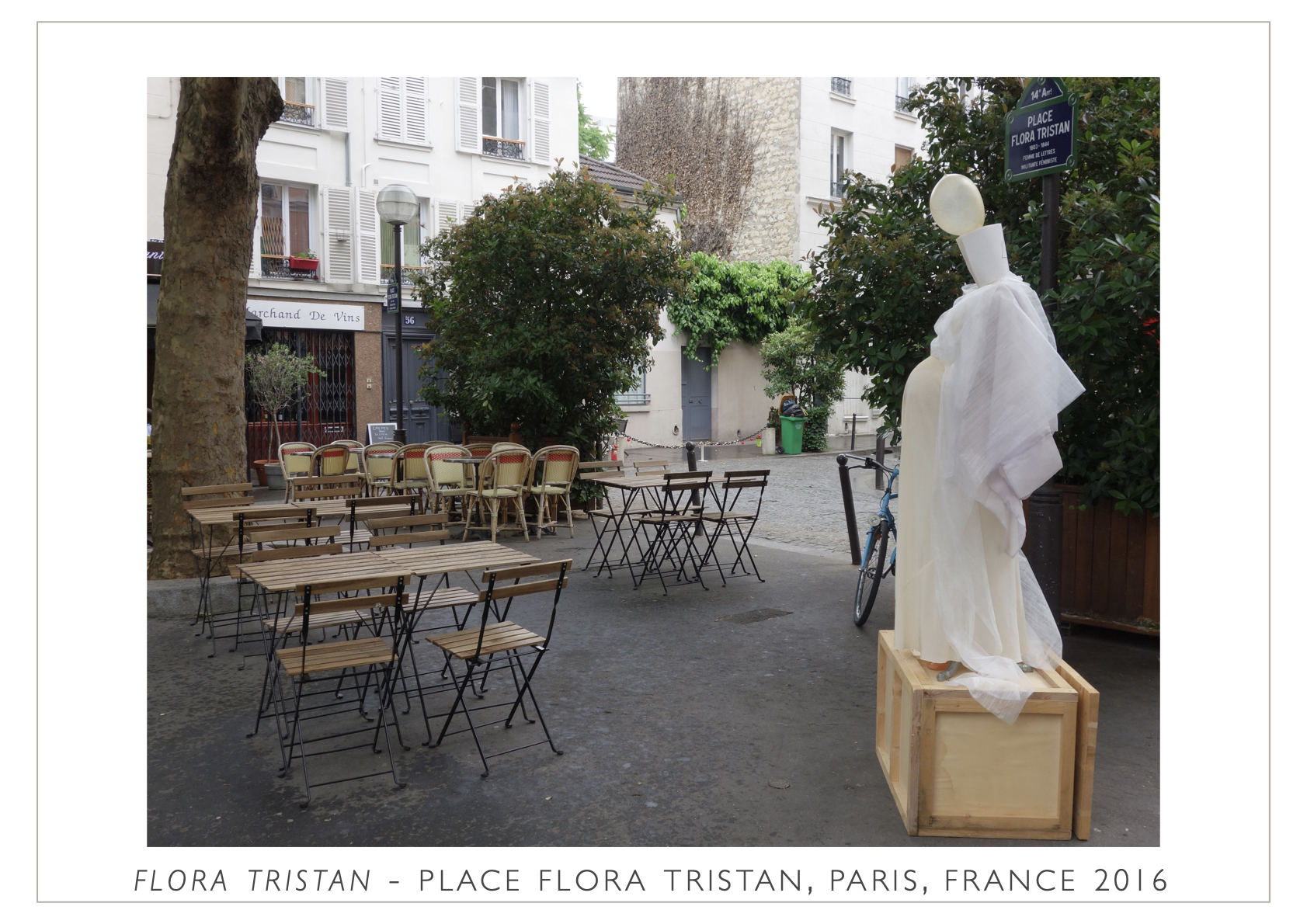
PARIS 14TH ARRONDISSEMENT, PLACE FLORA TRISTAN
In this public space, I proposed a fictional scenario in which Flora Tristan returns and visits the square dedicated to her. An installation inspired by her short work of June 1, 1843, Idée (Idea), which she passionately claimed to have drawn from the inner inspiration of her being. The meaning of Flora Tristan's message is the self-emancipation of the proletariat.
My aim was to pay tribute to Flora Tristan, who was a pioneer in the recognition of cultural diversity within human unity. The memory of her diary mingled with the rhythm of daily life in the cafés of the square: “Oh yes! I feel a new world within me, and I will give this new world to the old world that is crumbling and perishing.” »